
Investing in collectibles
Explore how collectibles can fit into an alternative investment
strategy—and what to consider before you buy.
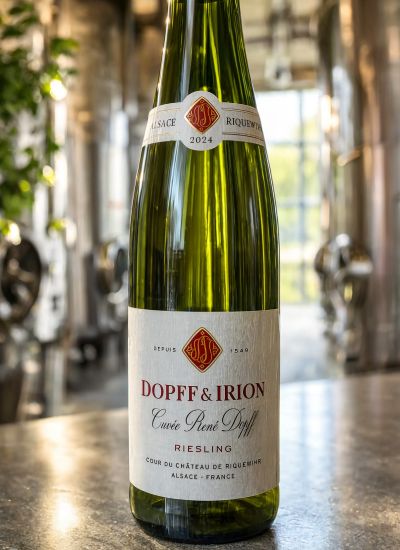
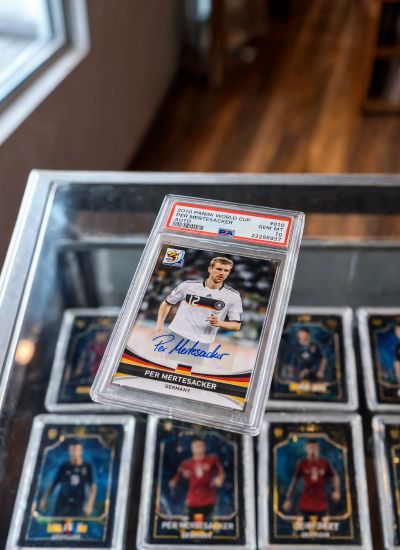
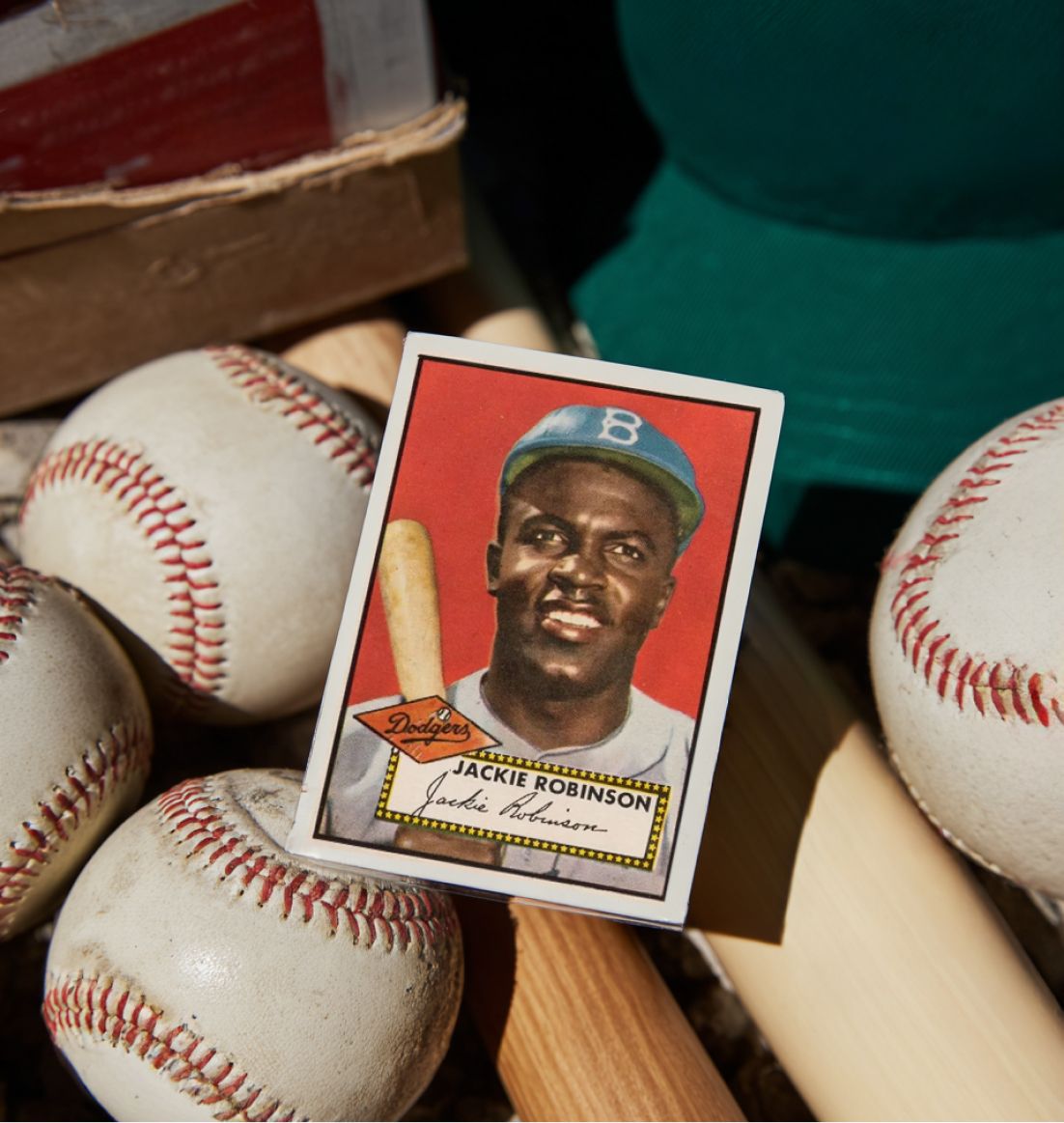
Are Collectibles a Good Investment?
- Potential for appreciation
- Tangible asset ownership
- Portfolio diversification
- Intrinsic collecting value
- Limited market liquidity
- No guaranteed returns
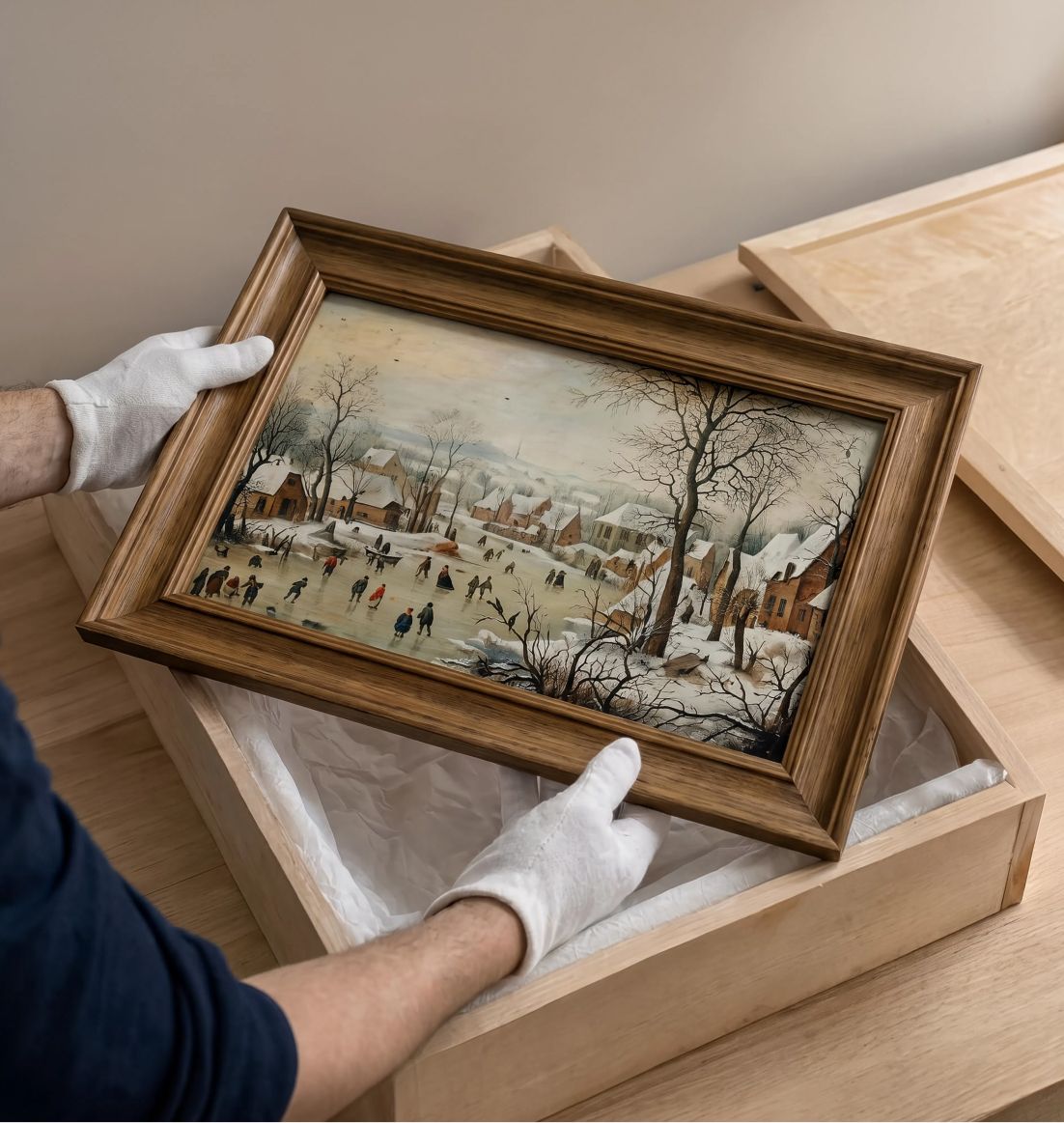
How to Invest in
Collectibles More
Thoughtfully
For CIS insurance purposes, anyone who sells collectibles—at any time, through any channel—is classified as a reseller. That includes one-time and occasional sales from your personal collection.
- Online sales: Marketplaces and social media.
- Private sales: Directly to another collector.
- Auctions and consignment: Sales handled by someone else.
- Shows and stores: In-person sales of any size.
What Can Influence a Collectible’s
Investment Value?
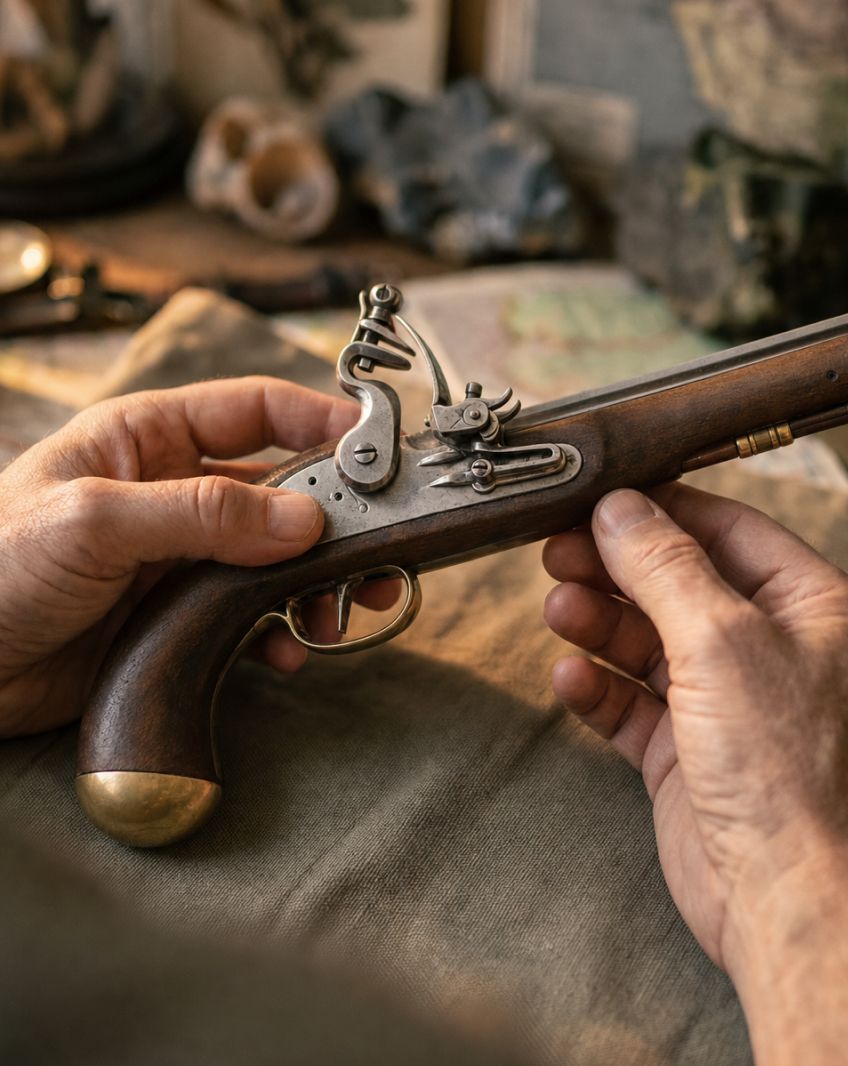
Rarity and Demand
Limited supply alone does not make an item valuable. Long-term investment potential usually depends on scarcity being matched by sustained demand from an active collector market.

Condition and Authenticity
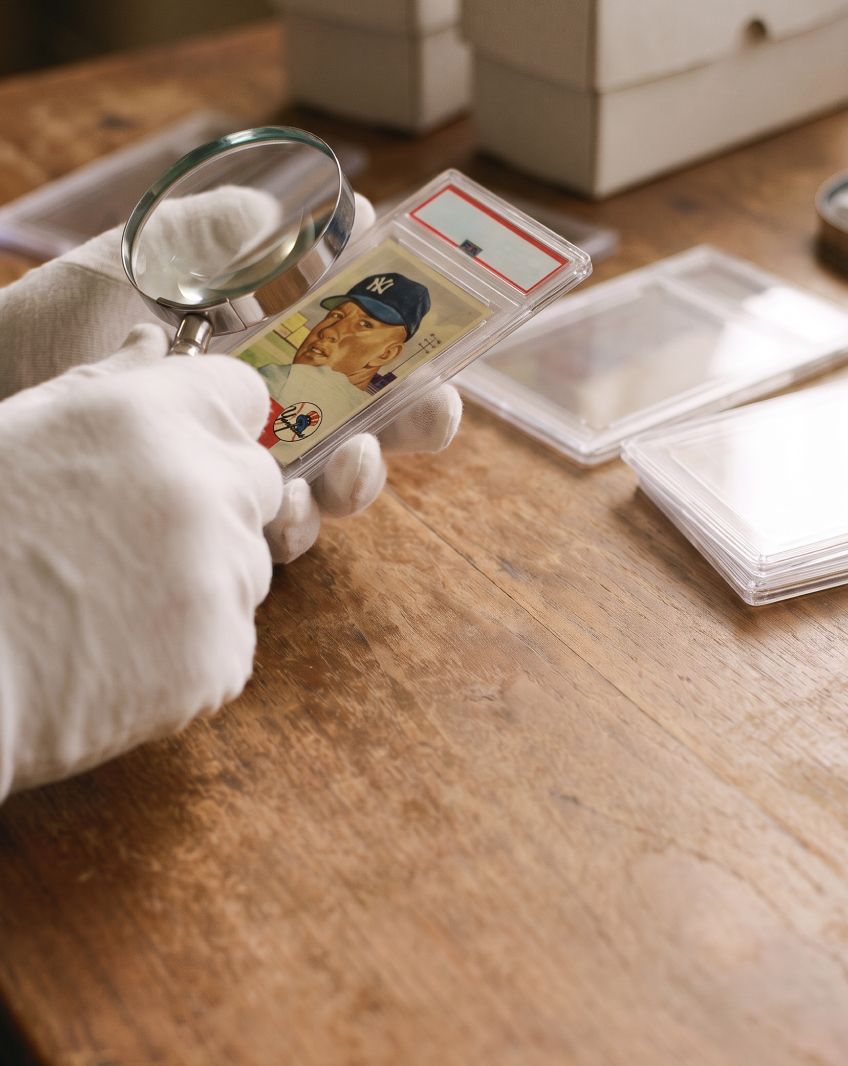
Condition can produce significant differences in value between otherwise similar items. Professional grading, authentication and complete documentation may help buyers evaluate an item with greater confidence.

Provenance and Cultural Significance
A documented ownership history or connection to a notable person, event or production can add context and desirability. Cultural relevance can also introduce new collectors to an established category.
Frequently asked questions
Learn more about collecting, value and protecting the assets you acquire.
What types of collectibles can be investments?
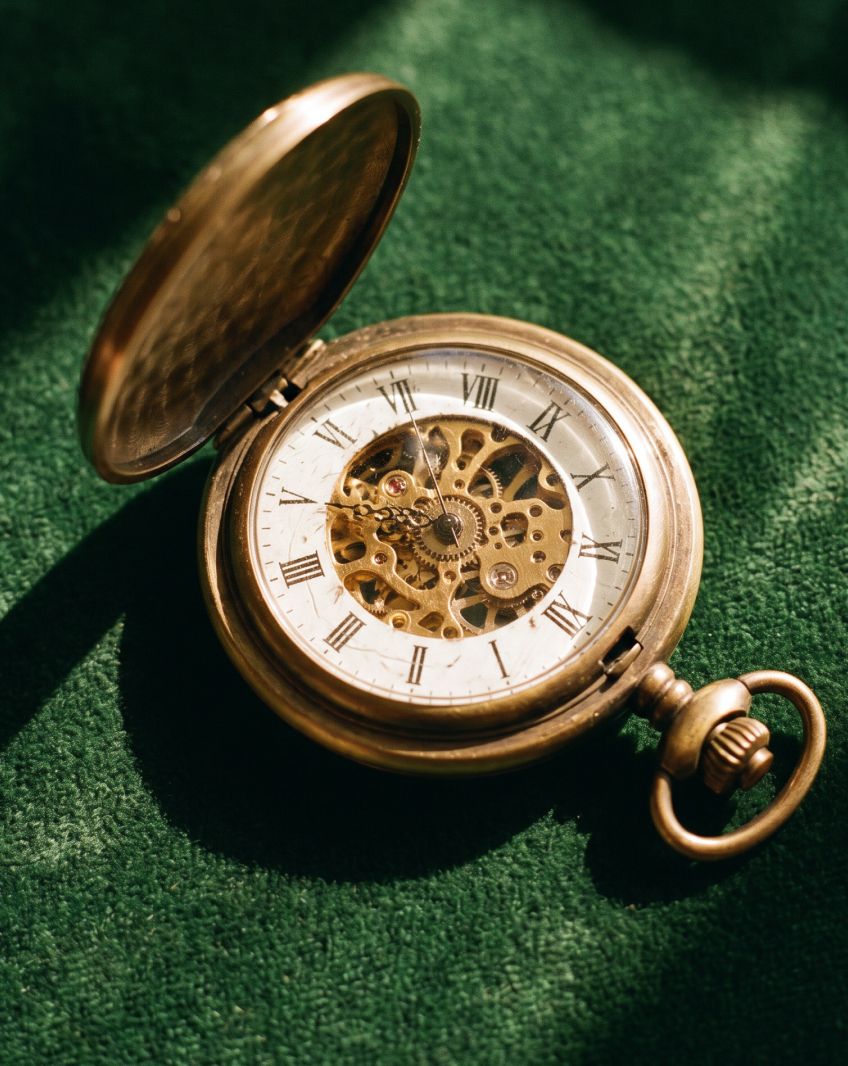
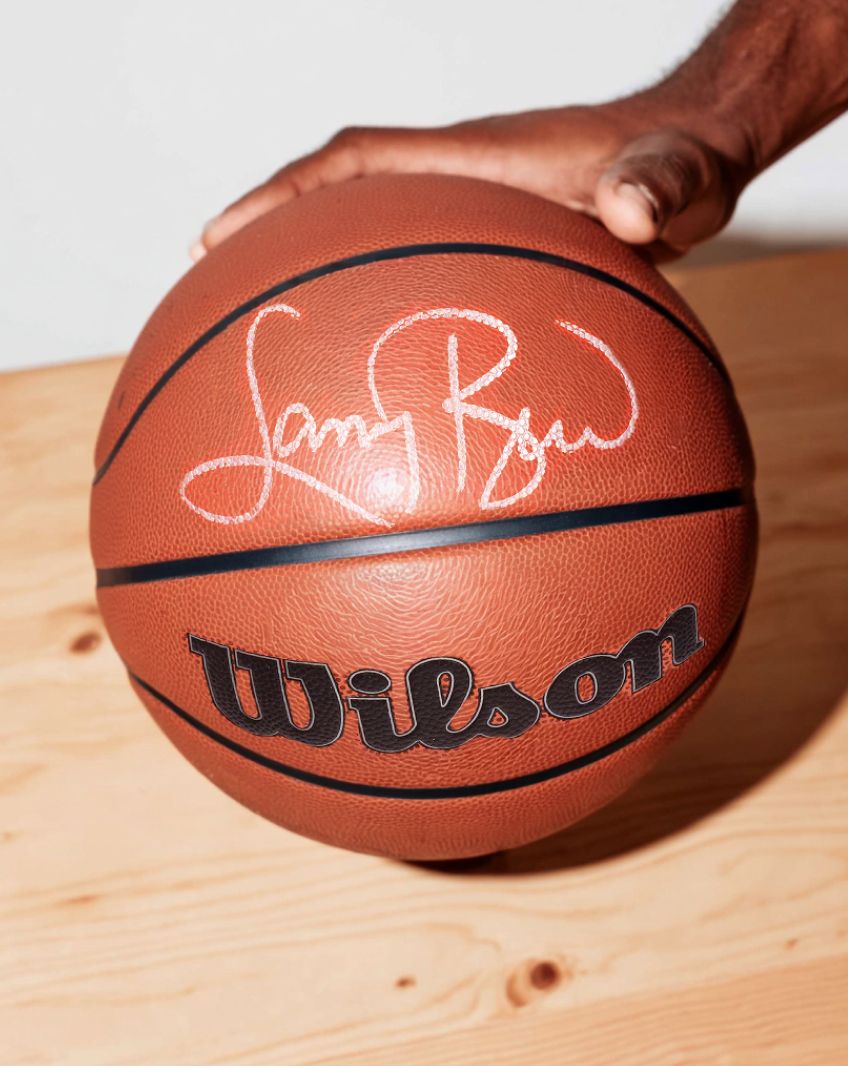
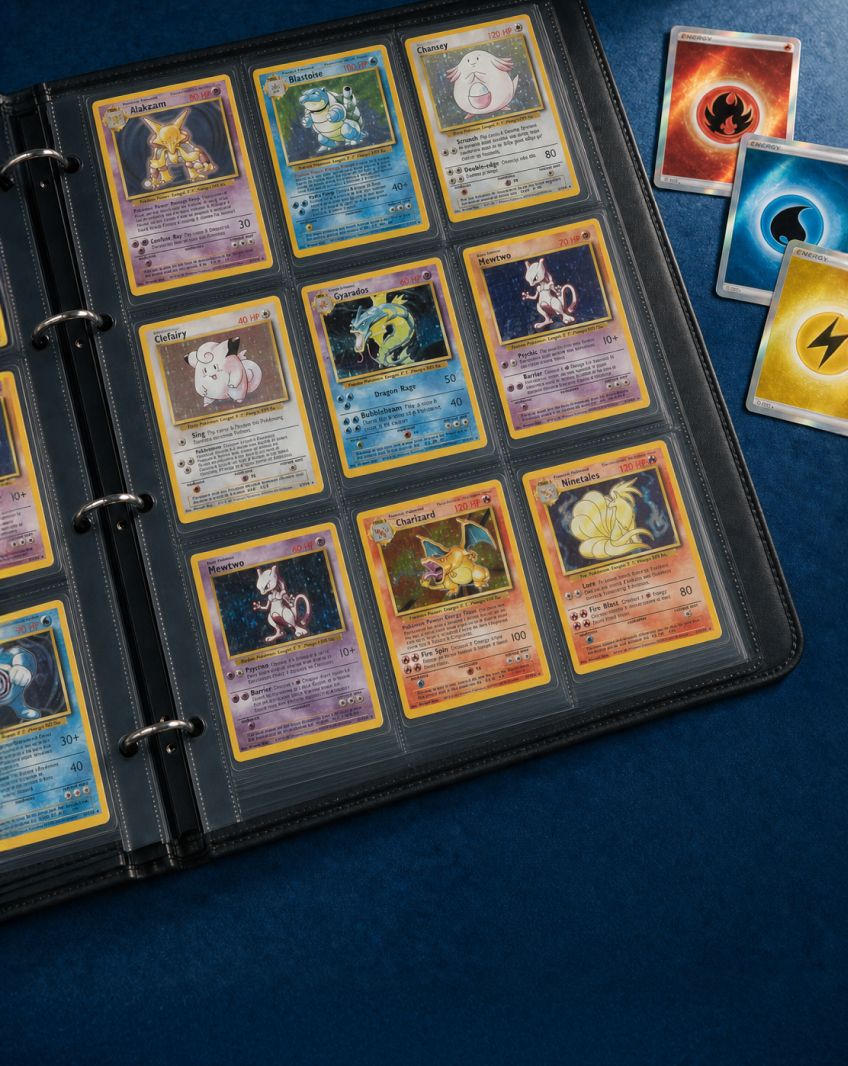
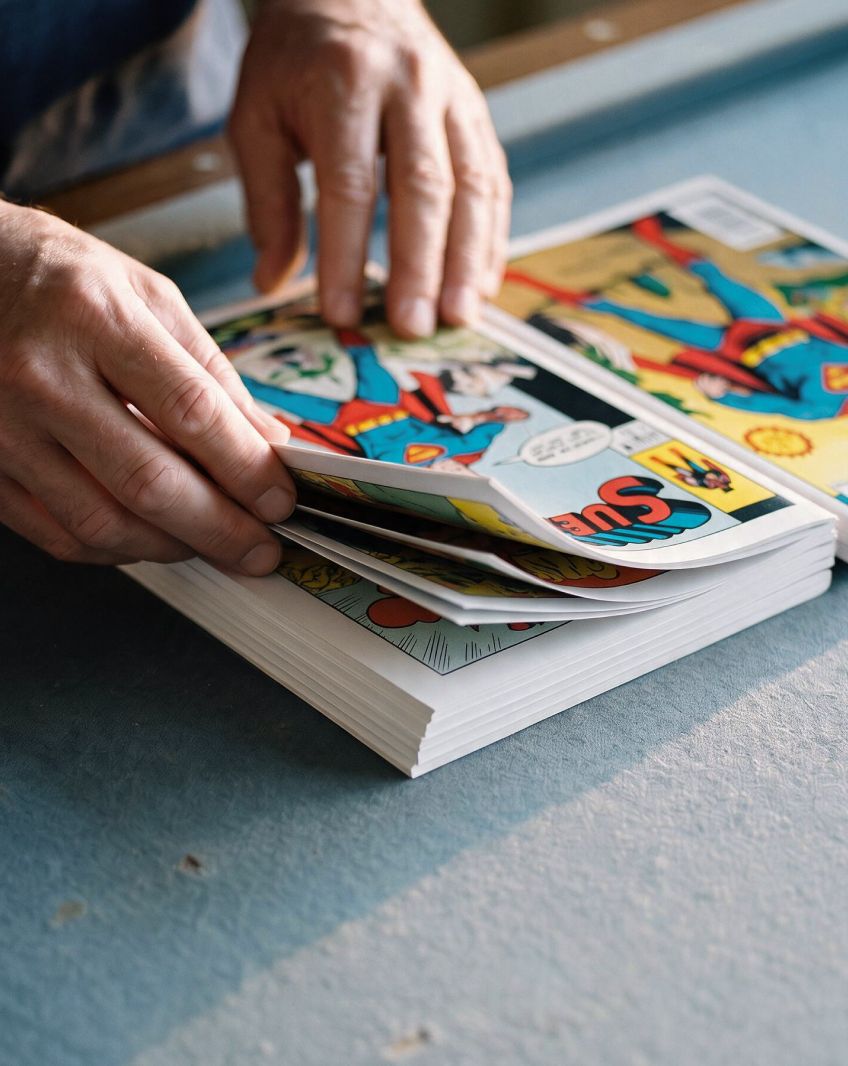
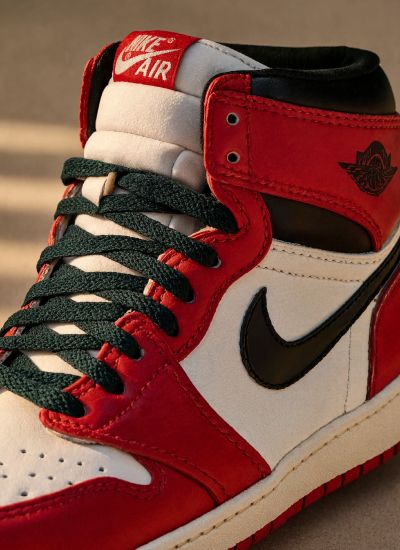
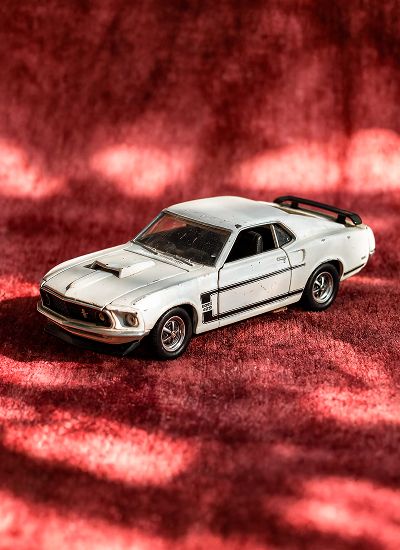
Art, antiques, coins, stamps, comic books, trading cards, sports memorabilia, entertainment memorabilia, rare books, vintage toys, watches, wine and other scarce objects may be purchased with investment potential in mind. However, no category or item is guaranteed to appreciate. Knowledge of the specific market is more important than simply choosing a popular type of collectible.
How do I start investing in collectibles?
Begin with a category you understand or genuinely want to study. Research completed sales, learn how condition is evaluated and identify respected dealers, appraisers, auction houses, authentication services and collector communities. Start within a defined budget and account for fees, storage, preservation and insurance before purchasing.
How can I tell whether a collectible is valuable?
Value can be influenced by rarity, condition, authenticity, provenance, completeness and current demand. Recent sales of genuinely comparable items can provide useful evidence, but asking prices alone do not establish market value. A qualified appraiser or category specialist may be appropriate for unusual or high-value pieces.
What are the risks of investing in collectibles?
Collectibles can be difficult to value and may take time to sell. Markets can change, authenticity may be disputed and improper handling or storage can reduce an item’s condition. Transaction fees, taxes, conservation, secure storage and insurance can also affect the final return.
Why should investment-grade collectibles be insured?
A collectible may represent a substantial financial asset, but homeowners insurance can have category limits, valuation provisions and coverage gaps. Specialized collectibles insurance can help protect eligible items against covered losses such as theft, accidental breakage, fire, natural disasters, loss in the mail and transit-related risks, subject to the policy’s terms and exclusions.