

Learn how to safely evacuate your collectibles during emergencies. Protect your treasures with practical tips and expert advice. Read the guide now.
Evacuating Collectibles: Why Planning Ahead Matters
Evacuating collectibles can be difficult when a natural disaster or other emergency is already underway. Two-thirds of Americans describe themselves as collectors, and many have valuable assets that cannot easily be replaced. A clear evacuation plan helps collectors decide which belongings to move first, prepare fragile items for transport, and reduce the risk of damage during severe storms, floods, fires, or a mandatory evacuation.
Learning how to safely evacuate your collectibles can help protect treasured objects when time is limited. Whether your collection includes art, rare books, sports memorabilia, or family photos, planning ahead can make it easier to carry priority items to safety. Use the practical tips and key takeaways in this guide to prepare before an emergency occurs.
This article is intended for informational purposes only. If you have questions about any of the topics addressed in the article, please contact a subject-matter expert.
Create a Priority List Before Disaster Strikes
Not every collectible item can be moved in an emergency, so collectors should identify priority pieces in advance. High-value, irreplaceable, fragile, or heavily documented items should be clearly ranked for quick decision-making.
Start with documentation
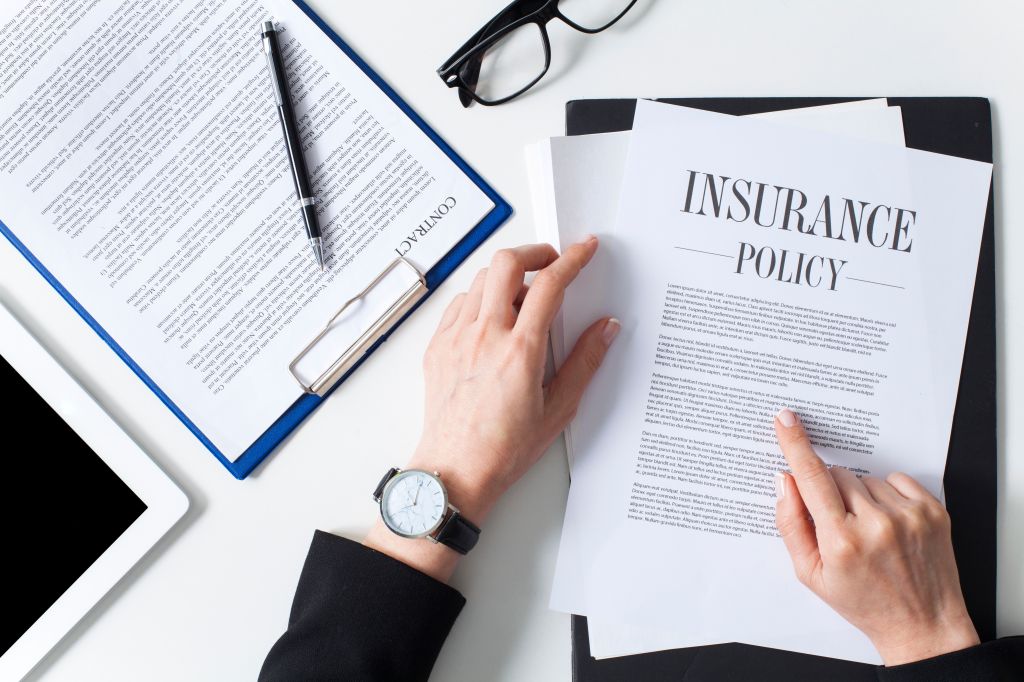
Start by gathering important documents. This should include personal essentials such as identification, financial records, tax returns, and cash, as well as important collection records such as insurance policies, loan agreements, purchase records, and certificates of authenticity. Keeping these materials organized and accessible can save valuable time during an evacuation.
Choosing valuable collectibles
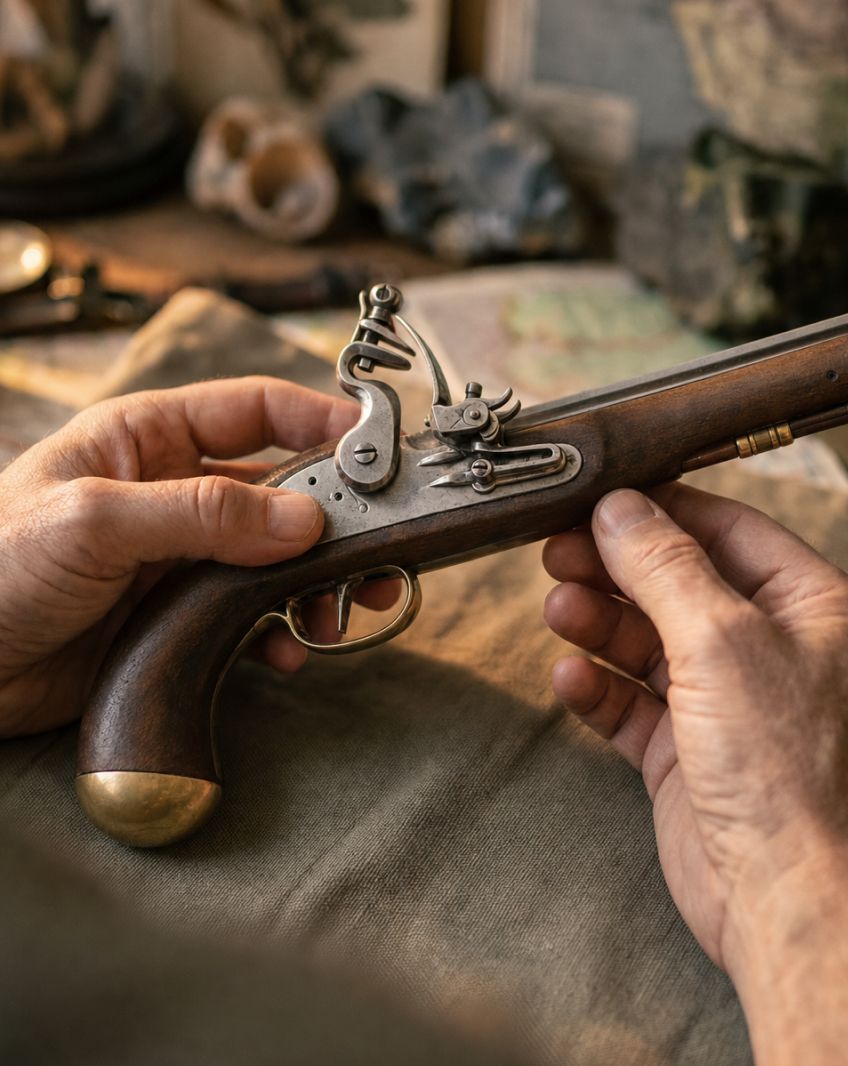
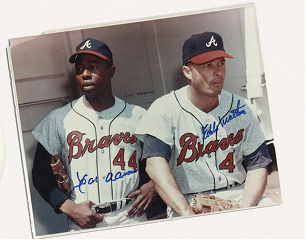
Next, decide which collectibles should take priority. Prioritize collectibles by value and irreplaceability when planning evacuation. High-value, irreplaceable, fragile, or heavily documented items should be ranked in advance for quick decision-making. The right choices will vary by collector—some may prioritize heirloom antiques or rare collectibles, while others may focus on signed memorabilia and high-value collectibles. Whatever the selection includes, the priority list should be practical, well-documented, and easy to grab.
Packing collectibles
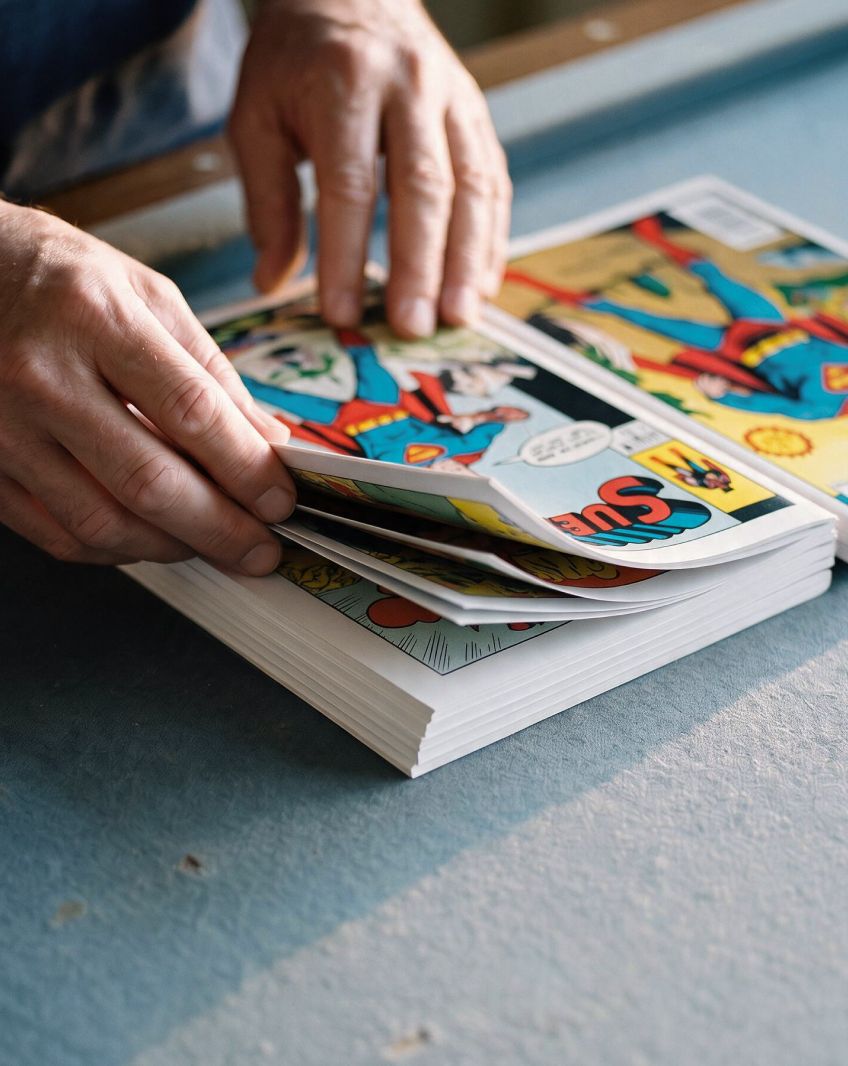
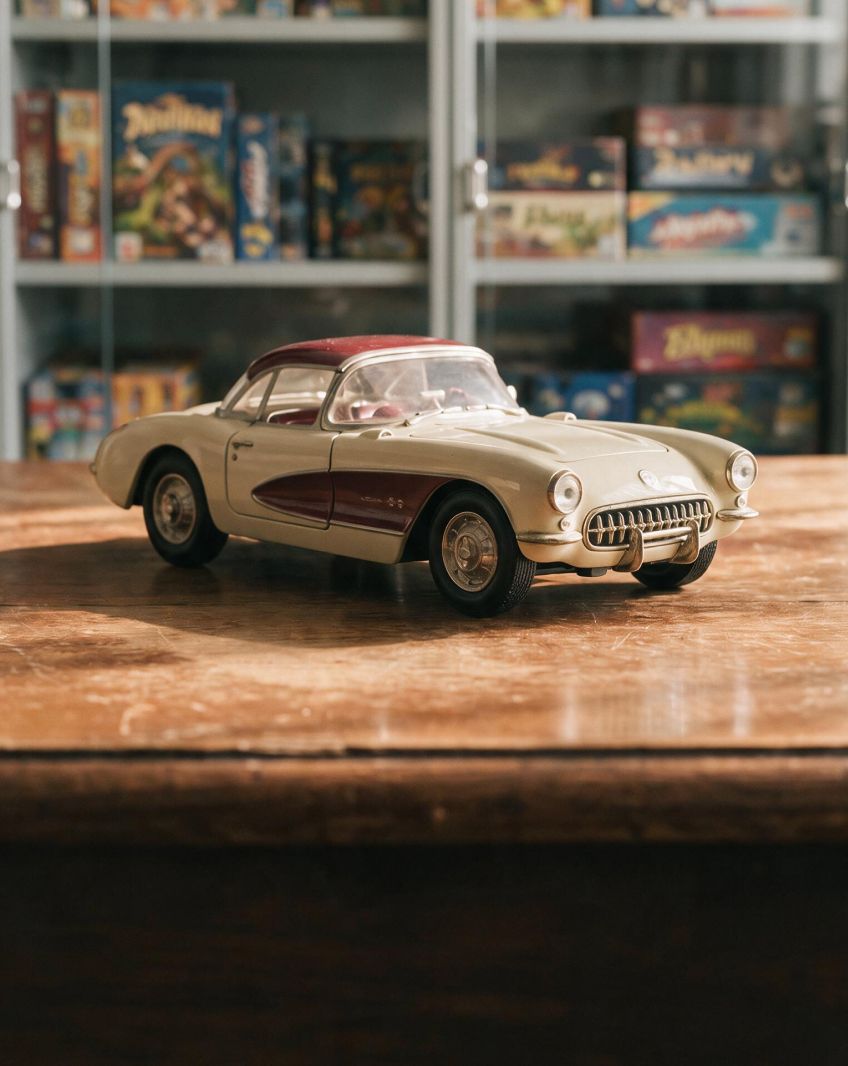
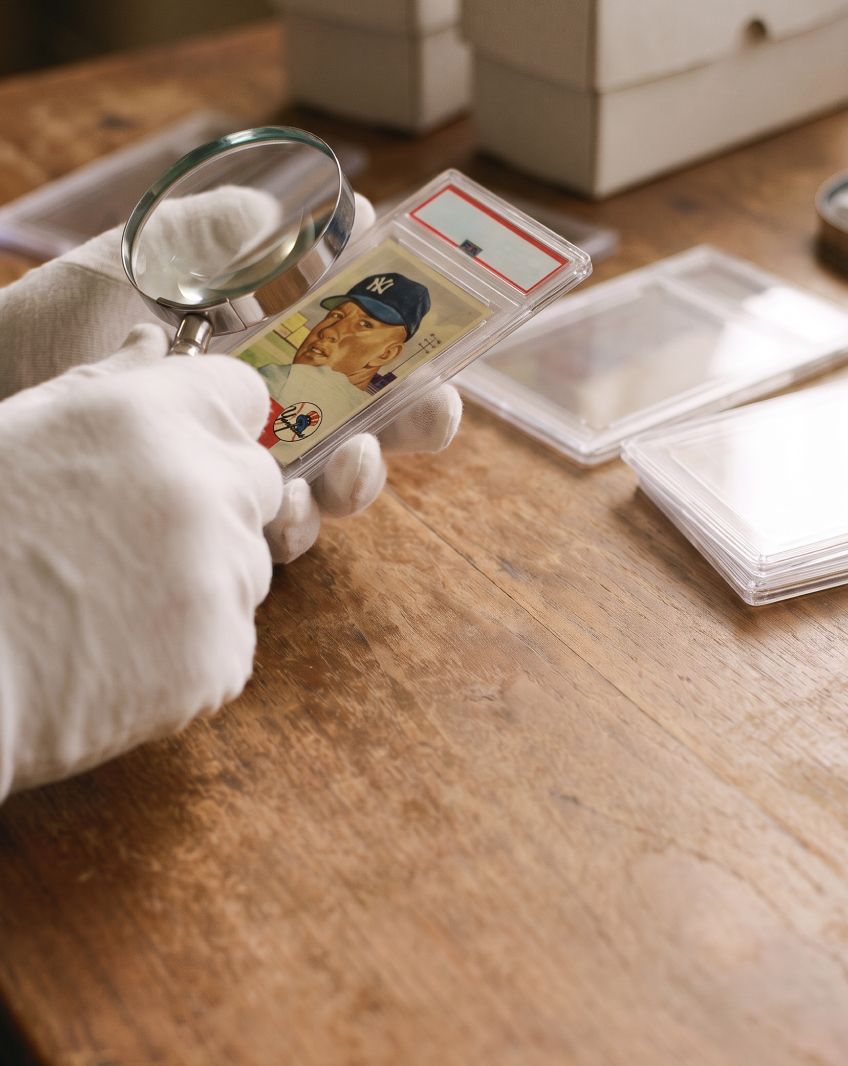
Because collections can include everything from coins, toys, records, and jewelry to trading cards, the evacuation plan should reflect each item’s specific needs. Baseball cards and stamps, for example, are especially vulnerable to moisture, while dolls and figurines may require additional padding for safe transport.
Prepare Fragile Items for a Quick Exit
Fragile items often need extra protection before they can be moved safely. Keep original boxes for valuable collectibles whenever possible, particularly when the packaging was designed to protect a specific item. For rare books, artwork, ceramics, and delicate memorabilia, use suitable archival materials, rigid containers, and padding to limit movement during transport.
Store the most vulnerable items where they can be accessed quickly without moving heavy boxes or other belongings first. If a mandatory evacuation is announced, follow local emergency instructions and prioritize personal safety over recovering possessions. A collection evacuation plan should make it easier to carry essential items without delaying your departure.
Build a Grab-and-Go Kit for Key Items
A well-prepared grab-and-go kit can make it easier to protect both you and your collection during an emergency. Because every valuable collection has different handling and transportation needs, the kit’s contents should be tailored to the items you may need to move quickly in an emergency situation.
Pack essential emergency supplies
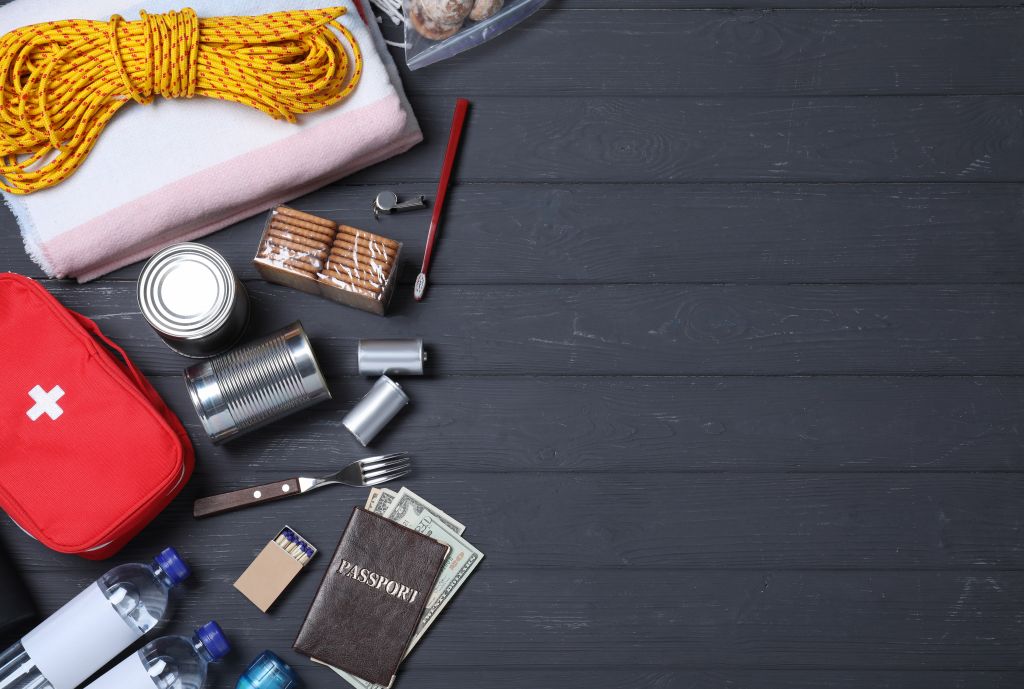
Safety should always come first during an emergency. Pack first-aid supplies, personal protective equipment such as nitrile gloves, non-perishable food, personal hygiene items, bottled water, flashlights, extra batteries, and portable chargers. Keep your cell phone accessible, with important contacts and digital copies of essential records available when possible. If you have pets, prepare a separate pet evacuation kit with food, water, medication, a carrier or leash, and supplies such as a litter box for cats. Preparing these necessities in advance can help you and your family leave safely without scrambling for everyday belongings.
Packing materials for collectible items
Prepare collection-specific packing materials so important items can be secured quickly. Protective sleeves, archival wrapping materials, acid-free packing paper, bubble wrap, labels, packing tape, padding, sturdy boxes, corner protectors, transport containers, and inventory copies can reduce rushed handling and avoidable damage. A soft-bristle brush and cleaning supplies—such as paper towels, sponges, a mop, and a bucket—can assist with debris removal, while resealable bags and heavy-duty trash bags can provide added protection for fragile items during transport.
Document the Collection Before You Move It
Thorough documentation can help collectors account for what was moved, what remained behind, and the condition of each item before an emergency. Photos, appraisals, receipts, condition notes, and inventory records should be stored digitally and in an accessible backup location.
Maintain a digital inventory
Build an inventory that includes a description, dimensions, purchase date, and images for each collectible. Digital tools can make these records easier to organize, update, and access when time is limited. Review the inventory regularly and add new purchases, appraisals, or condition details to keep the information current.
Photograph each item thoroughly
Photograph each item from multiple angles, including the front, back, and close-up views of distinguishing features or areas of concern. Update the visual record whenever you add an item or receive a new appraisal so the images accurately reflect the collection.
Use a reliable backup strategy
Scan essential documents and store them using secure cloud services and encrypted drives. For added protection, follow the 3-2-1 backup rule: keep three copies of the data on two different types of storage media, with one copy stored off-site. This approach helps keep important collection records accessible even if physical documents or devices are damaged.
Pack for Transport, Not Just Storage
Packing collectibles that are secure on a shelf may still be vulnerable during transport, so careful packing and handling are essential. The right materials and procedures can help protect items from vibration, pressure, moisture, shifting, and unnecessary handling during transport.
Use protective packing techniques
Wrap fragile items individually and avoid stacking them whenever possible to reduce the risk of damage. Keep original boxes and manufacturer-designed inserts for collectibles when available, as they may provide a secure fit during transport. For art, rare books, paper collectibles, and textiles, use appropriate archival materials and avoid direct contact with adhesives or unsuitable wrapping. Coins and other small objects should be secured in individual holders or sleeves. Use dividers, padding, and sturdy containers to prevent shifting, and label boxes clearly so helpers know which items require careful handling.
Professional movers and planning for secure handling and transport
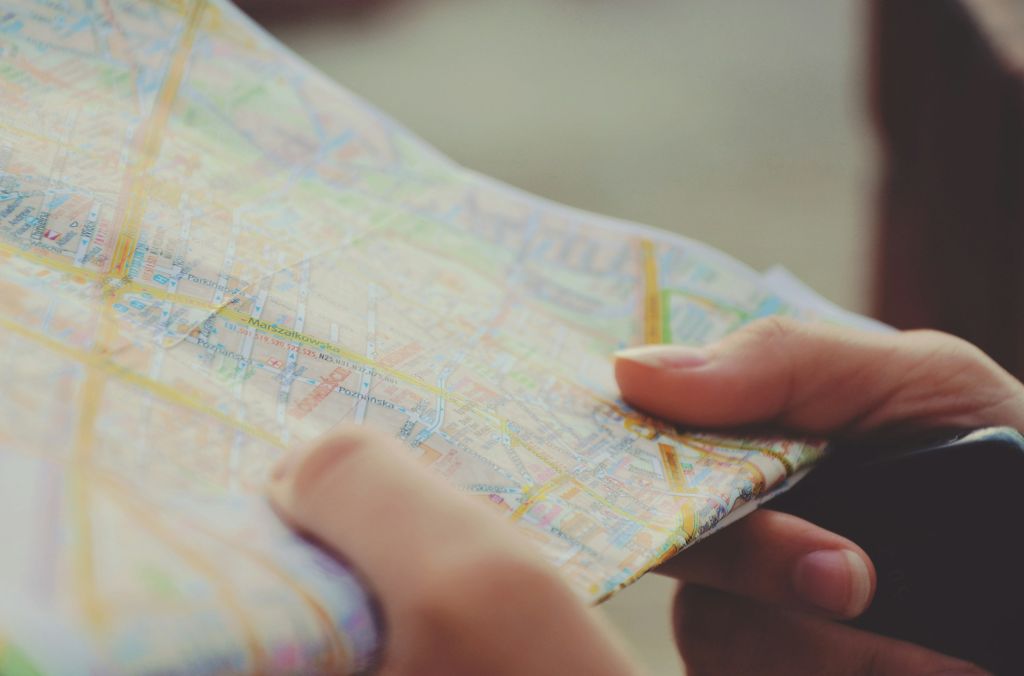
If you plan to transport collectibles in your car, estimate how much space is available and identify which containers can be loaded quickly. Secure boxes so they cannot slide, and avoid leaving valuable belongings visible or unattended in a parked vehicle. Never overload the car to the point that it affects visibility or safe driving. If the collection is too large to move in one trip, establish priorities in advance—but never delay departure or disregard an evacuation order to retrieve additional items.
Maintain a clear chain of custody for high-value collections so you know who is responsible for each item throughout the move. If you hire professional movers, ask whether they have experience handling collectibles, artwork, antiques, or other fragile objects. Confirm how items will be packed, loaded, transported, and documented, and check the limits of the mover’s liability before the move. Basic mover valuation may provide limited compensation and should not be assumed to equal full insurance coverage. For extra protection, consult your collectibles insurer about coverage during emergency transport and temporary storage.
Protect Against Storm, Wind, and Flood Exposure
Emergency evacuations can expose collectibles to rain, wind, humidity, and floodwater, making advance preparation essential. A few practical storage and response measures can help limit moisture exposure and reduce the risk of lasting damage.
Store vulnerable items in waterproof containers or sealed bags, and relocate them quickly when severe weather threatens. Elevate collectibles at least 4 to 12 inches off the floor to create a barrier against minor flooding and accumulated water. When possible, move collections to an upper floor for additional protection from rising water. Move items away from windows and off floors to reduce risk from water or smoke damage.
Airtight plastic tubs can also help protect items from moisture and pests more effectively than porous materials such as cardboard. Avoid storing collectibles in cardboard boxes in basements or on ground floors, where the boxes can absorb water and deteriorate quickly. Keep absorbent materials and towels nearby so you can respond promptly to a leak or spill.

Use Clear Labels and Simple Instructions
Clear, consistent labeling can help collectors and helpers move important items more efficiently during an emergency. Safely evacuating collectibles requires pre-planning and adherence to fragile-handling rules.
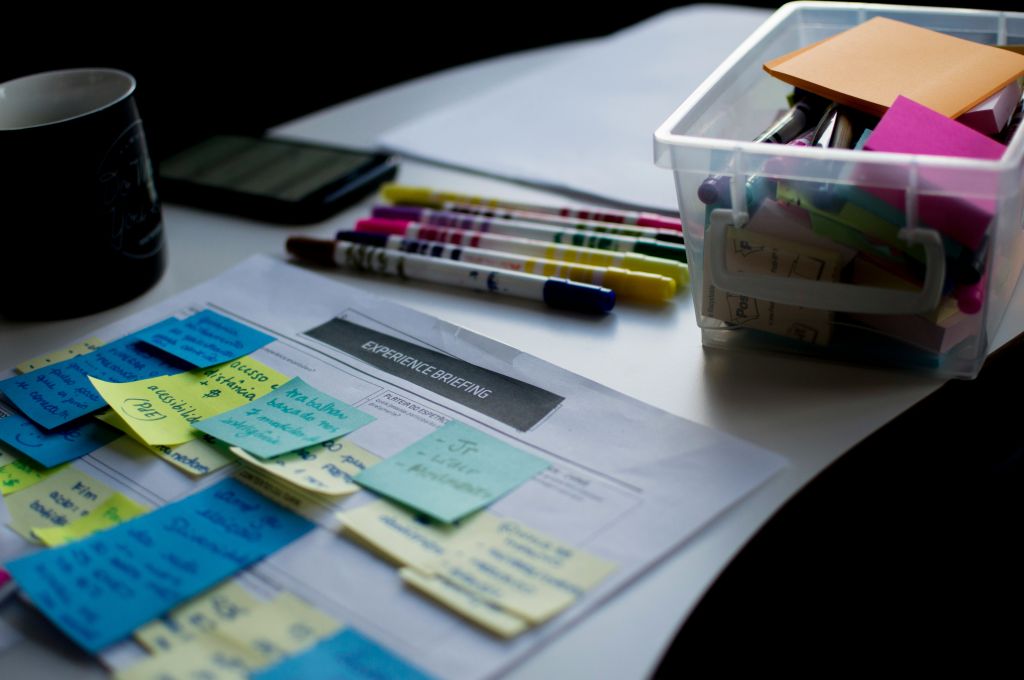
Labels should simplify the evacuation process rather than add confusion. Clearly mark priority boxes and fragile items, and include handling instructions such as which side should remain upright or whether an item requires extra support. Add destination details so each container can be moved to the correct temporary storage location. Keeping instructions brief, visible, and easy to understand allows collectors or helpers to handle items more safely when time is limited.
Plan for Temporary Storage After Evacuation
Planning where your collectibles will go after an evacuation is just as important as preparing them for transport. Establish a secure destination for collectibles during an emergency for safe unloading.
Evacuated items may need to remain temporarily in a personal vehicle, hotel room, storage unit, or another short-term location. Before an emergency occurs, consider the space’s climate conditions, security, accessibility, and suitability for fragile or valuable materials. Identifying a safe temporary storage option in advance can help reduce exposure to heat, humidity, theft, and accidental damage. Do not leave collectibles unattended in extreme conditions or unsafe locations.
Learn From Heritage Collection Evacuation Practices
Emergency practices used by museums and heritage organizations can offer practical lessons for collectors preparing to protect personal collections.
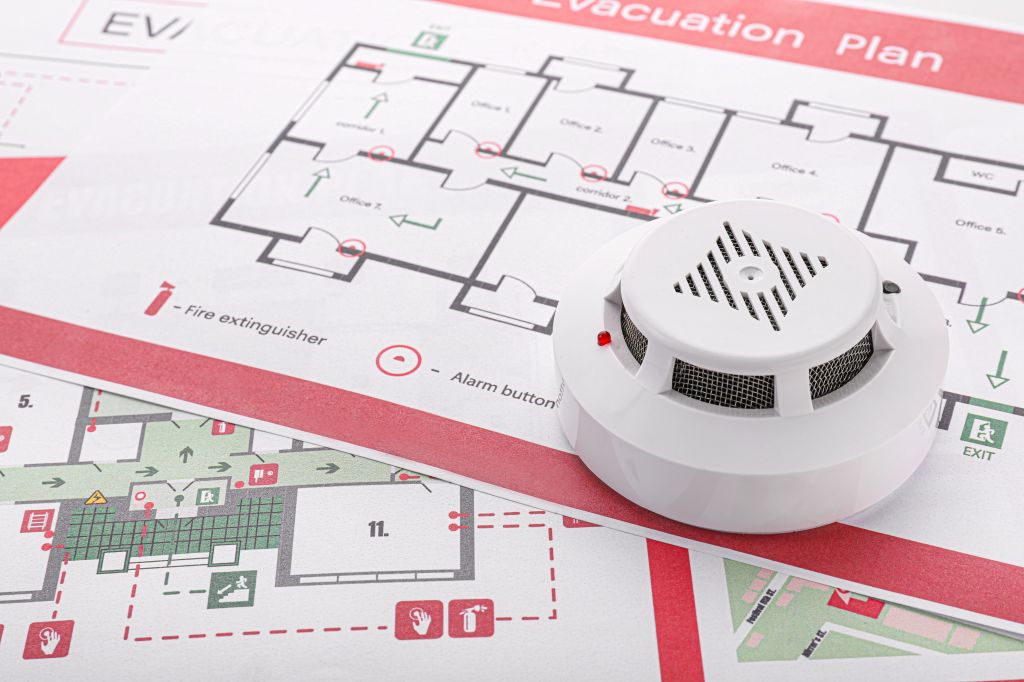
These organizations often rely on priority lists, trained handling procedures, staged packing, and clear documentation to move collections safely during emergencies. Collectors can adapt the same principles on a smaller scale by identifying essential items in advance, preparing appropriate packing materials, documenting each piece, and establishing a clear process for handling and transport.

Build a Practical Evacuation Routine
A practical evacuation routine can help collectors respond quickly and confidently when every minute matters. The most effective plans are simple, realistic, and easy to repeat. Preparing essential supplies, documentation, transport containers, and priority decisions in advance can reduce uncertainty and help collectors act faster when time is limited.
An evacuation plan can help protect your physical collection, but insurance is another important part of preparing for the unexpected. Review your policy for applicable coverage, exclusions, and any conditions involving transportation or temporary storage. If you are evaluating your options, consult a collectibles insurance specialist and request a free quote if available. The right coverage can help address the potential financial impact of damage or loss to valuable collection items. Third-party insurance typically costs 1.5–2.5 percent of the declared value, so collectors should consider how coverage fits into their broader emergency-preparedness plan.
This article is intended for informational purposes only. Collectibles Insurance Services, LLC, its parents, affiliates, and anyone connected with them are not responsible or liable in any way for your use of the information contained in or linked to from this article. Reliance on the information provided in this article is solely at your own risk. If you have questions about any of the topics addressed in the article, please contact a subject-matter expert.
FAQ
Which collectibles should be prioritized during an emergency evacuation?
Prioritize collectibles that are highly valuable, irreplaceable, fragile, or difficult to document after a loss. These may include rare books, original artwork, signed memorabilia, family heirlooms, and items with significant monetary or sentimental value. Prepare a ranked list before an emergency and keep it accessible alongside your collection inventory. During a mandatory evacuation, follow emergency instructions and prioritize personal safety over retrieving possessions.
What should collectors keep in a grab-and-go kit for valuable items?
A grab-and-go kit should include protective sleeves, archival wrapping materials, padding, labels, packing tape, sturdy containers, and a copy of your collection inventory. Include personal emergency essentials such as water, non-perishable food, a first-aid kit, flashlights, extra batteries, portable chargers, and a cell phone. If you have pets, prepare their supplies separately. Tailor the kit to your collection so priority items can be packed quickly without searching for materials during an emergency.
How can collectors safely transport fragile collectibles during storms, floods, or evacuations?
Pack fragile collectibles individually using suitable protective materials and sturdy containers. Retain original boxes when available, secure items to prevent shifting, and label containers with clear handling instructions. Keep vulnerable belongings away from rain, floodwater, excessive heat, and direct sunlight during transport. If you use professional movers, confirm their experience with collectibles and clarify their liability terms. Plan your route and temporary storage location ahead of time, and never delay evacuation to recover additional items.
Sources
https://www.chubb.com/ca-en/individuals-families/resources/protecting-your-art-other-valuables-from-severe-storms-winds-floods.html
https://info.gaylord.com/resources/keeping-items-safe-when-disaster-strikes
https://museum.bc.ca/wp-content/uploads/2021/08/Preparing-for-evacuation-of-collections.pdf
https://www.northamerican.com/moving-resources/tips/collectibles-memorabilia
https://www.iccrom.org/publication/endangered-heritage-emergency-evacuation-heritage-collections
https://greekmoving.com/how-do-i-move-collectibles-safely/
https://beaconpointe.com/emergency-evacuation-checklist/
https://www.imsrelocation.com/best-practices-for-packing-and-moving-with-collectibles/
https://www.upack.com/articles/how-to-pack-and-move-collectibles
https://www.chubb.com/us-en/individuals-families/resources/how-to-create-disaster-plan-for-valuables.html
https://info.gaylord.com/resources/emergency-prep-plan