

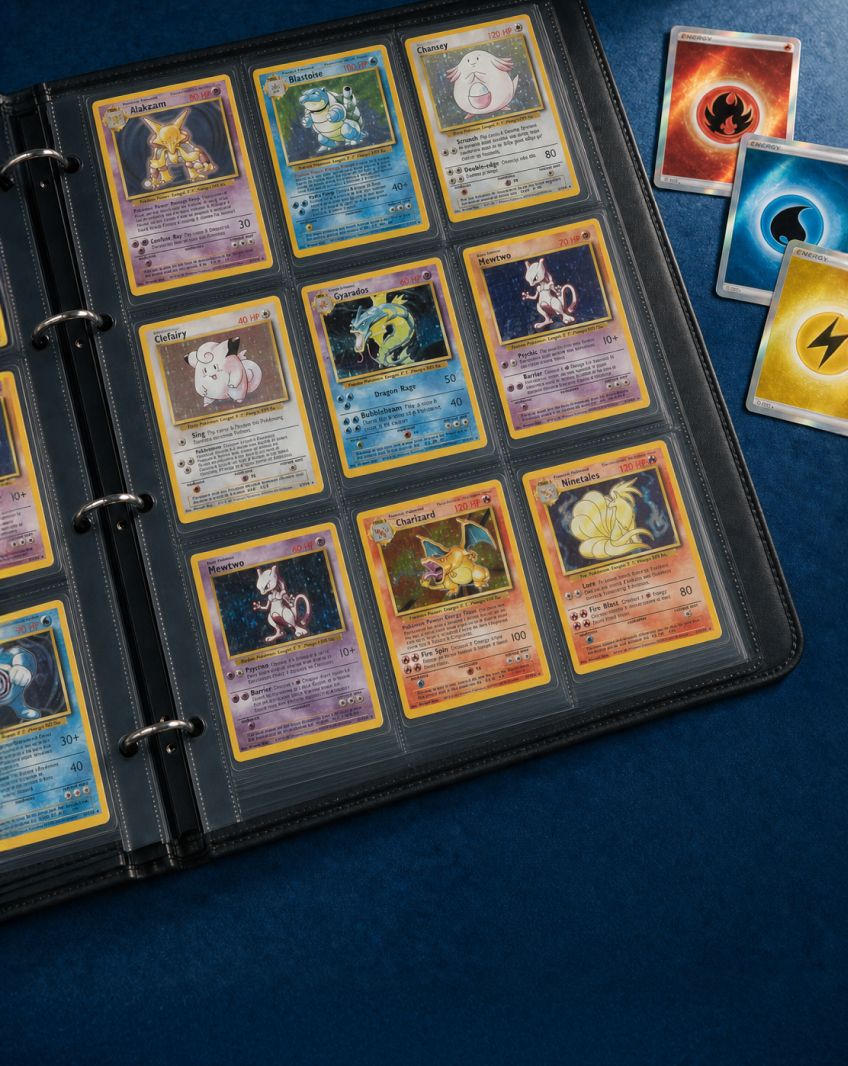
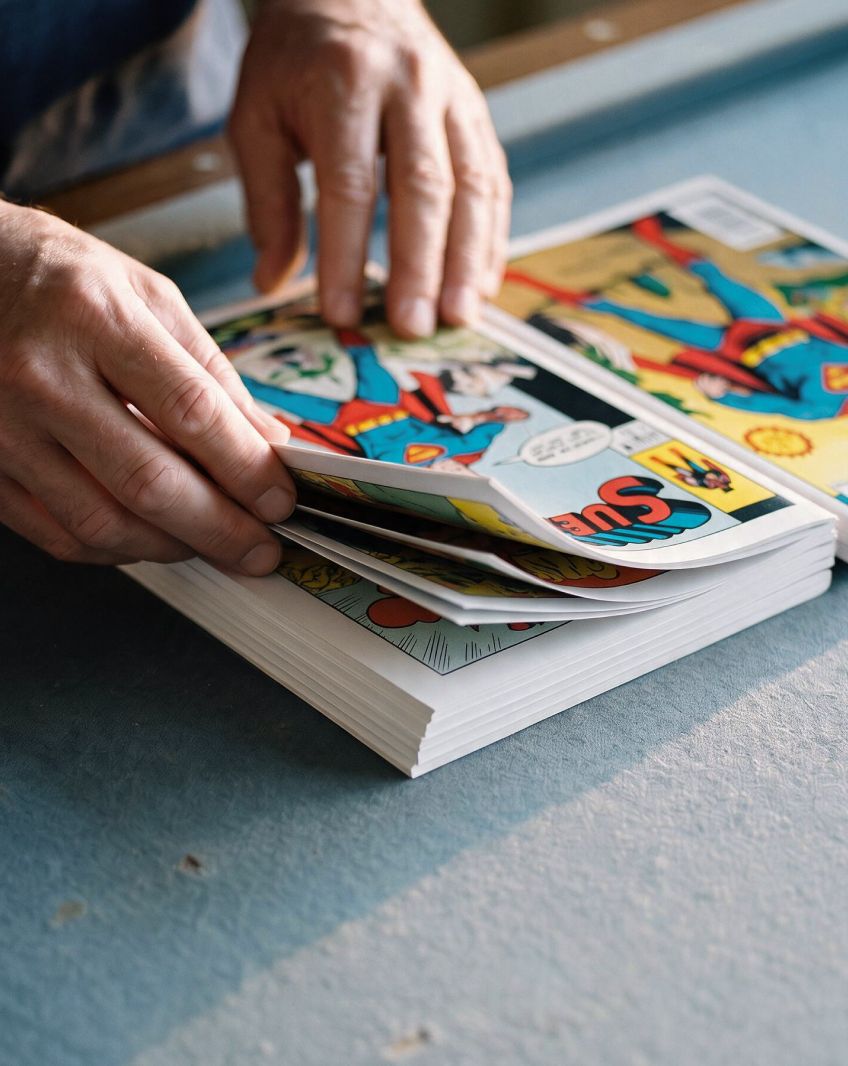




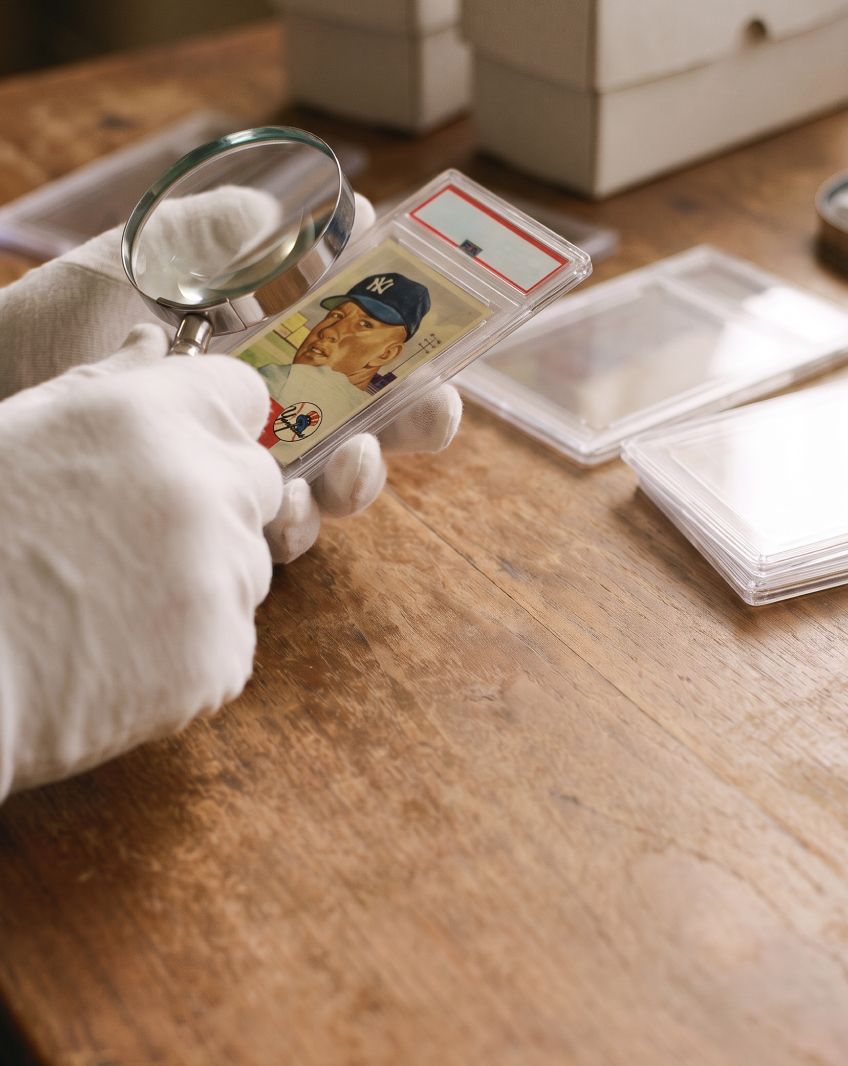

Discover effective strategies to control moisture in storage units and protect your belongings. Moisture control becomes even more important during long-term storage, especially when belongings are kept in a storage facility, self-storage unit, garage, basement, or outdoor storage unit. Ambient humidity, ground moisture, heavy rain, and seasonal temperature changes can all create challenging conditions that expose stored items to excess moisture over time. This article presents practical tips and solutions to storage questions from collectors.
Controlling Moisture in Storage: Why Humidity Matters
Humidity can quietly damage stored collectibles, furniture, documents, clothing, and household items, causing mold, mildew, warping, corrosion, stains, and odors over time.
For most belongings, keeping relative humidity between 45% and 55% can reduce damage, though maintaining this range may require several moisture-control methods.
- Humidity control helps protect sensitive collectibles and electronics. Above 60% humidity, circuit boards may corrode or develop condensation that causes short circuits.
- Keep paper documents at 35% to 45% relative humidity to prevent curling, swelling, running ink, and flaking paint. Levels above 65% can attract silverfish and booklice, while photographs may deteriorate rapidly above 50%.
- Musical instruments are best stored at 40% to 50% relative humidity.
- Leather goods perform best in 45-55% humidity levels.
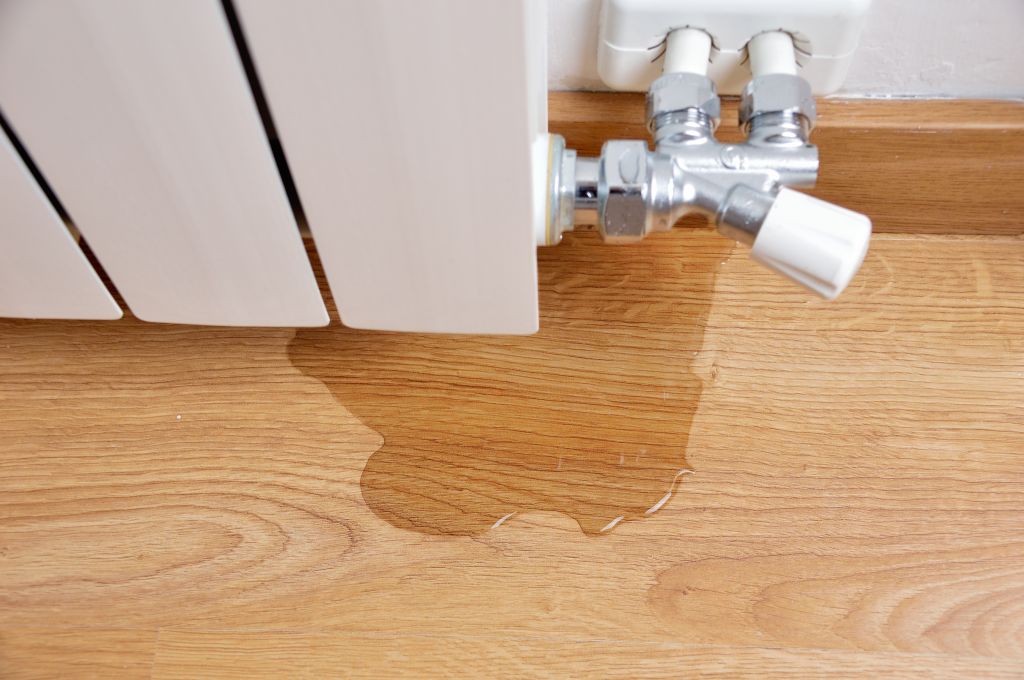
Excess moisture can enter from outside air, damp concrete, leaks, or water droplets that form when warm humid air meets cooler walls, floors, or containers. During the winter months, temperature swings can also create condensation inside a storage unit, especially when airflow is limited.
Moisture-sensitive items such as important documents, photographs, electronics, textiles, wood furniture, and paper collectibles may show damage sooner than less sensitive materials. Monitoring moisture levels can help collectors respond before mold, mildew growth, corrosion, or water stains become severe. Fortunately, affordable moisture-control methods can create a drier, more stable storage environment and better protect your belongings.
How Moisture Builds Up in Storage Areas
Several common conditions can allow humidity to build up in a storage area. Understanding how airflow, structural gaps, temperature changes, and storage materials contribute to moisture can help you address problems before they damage your belongings.
- Poor ventilation: Good airflow helps keep humidity under control and reduces the chance of moisture buildup. When relative humidity rises above 60%, the risk of mold growth increases. Ventilation fans can reduce humidity by promoting air exchange. On the excessive dry air causes materials to become brittle.
- Damp floors: Unsealed windows, cracks, gaps around doors and walls, and a lack of moisture barriers can allow dampness to enter storage areas. Vapor barriers block outdoor moisture from entering storage units.
- Temperature swings: Unstable temperatures can lead to condensation and moisture buildup, especially when the space lacks humidity control.
- Storage materials: Organic materials such as cardboard boxes, paper, and fabric can support mold growth. Once these materials become damp, controlling the moisture becomes more difficult.
Start With Dry, Clean Items
Before placing belongings in storage, make sure each item is clean, completely dry, and free of materials that could trap moisture or attract pests. A few simple preparation steps can help create a safer storage environment and reduce the risk of mold, mildew, and other damage.
Allow textiles, boxes, furniture, collectibles, and other belongings to dry completely before packing them into storage containers. Storing even slightly damp items can introduce moisture throughout the space and increase the risk of mold and mildew.
Remove dirt, dust, food residue, and other organic matter before storage because these materials can retain moisture and promote mold growth. For clothing, fabric, and other textiles, check for oil stains that may attract pests, and remember to empty all pockets. In addition, avoid wrapping sensitive items in plastic to prevent condensation.
Items previously stored in high-humidity environments, such as basements, should also be allowed to acclimate to dry conditions before being packed. Before long-term storage, remove batteries from electronics, toys, clocks, and other battery-powered items to reduce the risk of leakage and corrosion.
Make sure wood furniture, fabric, paper, and other absorbent materials are completely dry before packing. Avoid sealing damp belongings in plastic wrap, vacuum-sealed bags, or plastic containers. These materials can provide extra protection from outside moisture only when the items inside are already dry; otherwise, trapped moisture can encourage mildew growth.

Use Moisture Absorbers and Desiccants
Several affordable moisture-control options can help protect belongings in storage, especially when they are paired with proper spacing and regular monitoring.
Self-storage unit moisture control
Moisture absorbers, silica gel, charcoal, baking soda, and other desiccants can reduce humidity in smaller enclosed spaces. Desiccants absorb moisture; replace them every 3-4 weeks. Vapor barriers provide another layer of protection by limiting moisture infiltration from the ground. Barriers with a permeability rating below 1.0 can be placed on the floor beneath boxes or furniture.
Charcoal briquettes can absorb moisture and should be replaced monthly. For especially tight budgets, cat litter can serve as a do-it-yourself dehumidifier in closed spaces, but it should also be replaced each month. Calcium chloride containers typically absorb moisture for 60 to 90 days, while silica gel packets can absorb up to 40% of their weight in moisture.
Humidity levels and moisture monitoring
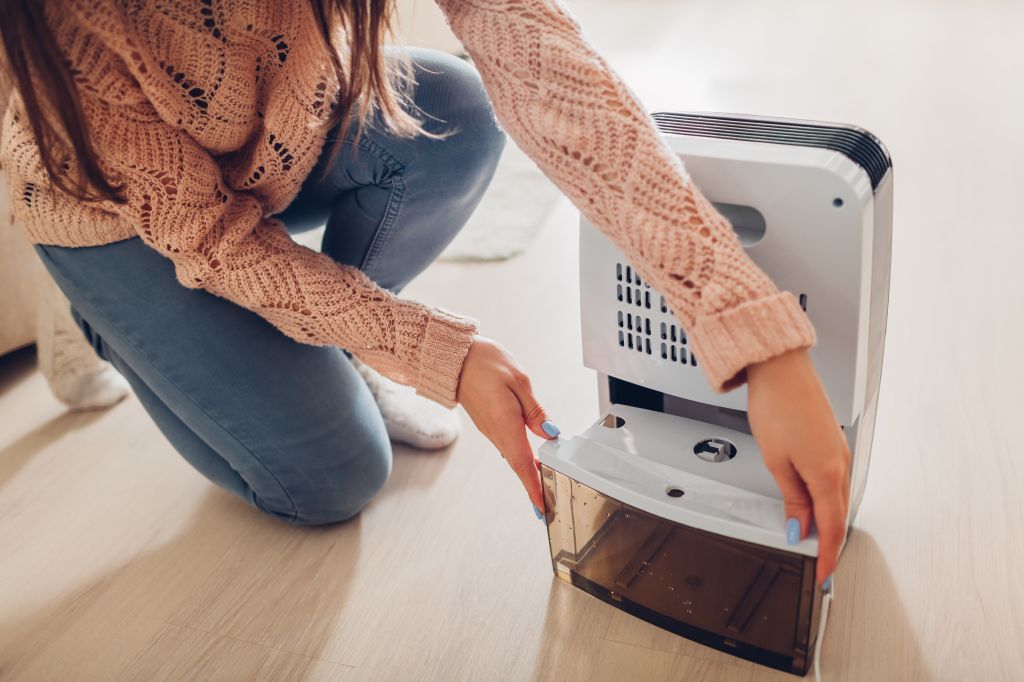
Portable dehumidifiers can help maintain more consistent humidity levels in storage units and provide added protection for high-value items. However, even effective humidity-control strategies may fall short if items are packed too closely together or humidity and temperature levels are not monitored. Create a regular inspection schedule to keep these measures working effectively. The ideal environment depends on what is being stored, but stable humidity levels are generally more important than allowing conditions to swing repeatedly. A hygrometer can help track moisture levels and reveal when ambient humidity begins rising into a range that encourages mold or corrosion. Digital hygrometers provide humidity readings accurate within 2-3%.

DIY Dehumidifier Options for Small Spaces
Several low-cost DIY options can help manage minor moisture problems in closets, bins, cabinets, and other compact storage areas. Although these effective methods do not replace professional climate control, they can provide practical support when a commercial dehumidification system, which may cost thousands of dollars, is not feasible. Commercial dehumidification systems cost between $3,000 and $8,000.
DIY absorbers work best in small, enclosed spaces and should not be expected to protect items in large or extremely damp storage areas. If containers repeatedly fill with water or moisture returns quickly, the space may need better ventilation, drainage, or mechanical dehumidification for reliable long-term protection.
Charcoal briquettes, unscented cat litter, and baking soda can serve as simple and cost-effective moisture absorbers. Place the material in open containers throughout the storage area and replace it regularly to maintain its effectiveness.
Rock salt offers another way to control ambient moisture. Place a bucket with holes in its bottom inside a second bucket, then fill the top bucket with rock salt. The salt absorbs moisture, which collects in the lower container, so empty the water and replace the salt as needed.
Some houseplants can also absorb humidity, including spider plants, succulents, and peace lilies. Before adding plants to a storage area, confirm that the space provides suitable growing conditions and that each plant is safe around pets, since some varieties may be toxic.
Improve Airflow Without Inviting Dampness
Maintaining steady airflow is an important part of controlling humidity and preventing stale, damp air from collecting around stored belongings. A few practical ventilation and spacing habits can improve circulation and support your other moisture-control efforts.
Ventilating storage spaces
Leave space between boxes, avoid overpacking, and keep items away from walls and floors so air can move freely throughout the storage area. Proper ventilation helps remove moisture from storage areas. Ventilation fans can also encourage air exchange and help reduce humidity, particularly when natural airflow is limited.
Airflow is especially important around cardboard boxes, wood furniture, and plastic containers because each material reacts differently to moisture. Leave enough room around stored items so damp air does not remain trapped against walls, floors, or packaging. Even effective humidity-control measures may fall short when belongings are packed too closely together or temperature and humidity levels go unmonitored. Establish a regular maintenance and inspection routine to confirm that ventilation methods and moisture-control products continue to work as intended.
Prevent mold growth
If you use a self-storage unit, open the door for approximately 15 to 30 minutes each week, when conditions allow, to promote air circulation. Climate-controlled units maintain 30-50% relative humidity year-round. Although climate-controlled units typically maintain more stable humidity levels, regular visits and proper spacing can provide additional protection.
During mild weather, natural ventilation may be sufficient. In extreme conditions, particularly during humid summer months, especially in coastal areas, use a fan to promote circulation and avoid placing items directly against the walls. Outdoor storage units and non-climate-controlled spaces may be more difficult to manage during periods of heavy rain, humid summers, or cold winter months. In these conditions, frequent inspections are especially important because moisture levels can change quickly.
Elevate Items Off the Floor
Keeping stored belongings elevated is a simple but effective way to reduce their exposure to moisture and unexpected water damage. Condensation occurs when warm air meets cooler surfaces. Concrete and other flooring materials can transfer cold and dampness, while leaks, condensation, or minor flooding may soak boxes placed directly on the floor.
Use sturdy pallets, shelving, or raised platforms to create a protective gap beneath furniture, boxes, and collectibles. This added space also improves airflow, makes it easier to spot moisture early, and helps prevent cardboard and other absorbent materials from weakening or developing mold.
This is especially important in a storage facility or self-storage unit where ground moisture, minor leaks, or heavy rain may affect the floor before the problem is obvious. Keeping cardboard boxes, furniture, important documents, and other moisture-sensitive items raised can provide extra protection.

Storage Containers: Plastic Bins, Cardboard Boxes, and Sealed Options
Selecting the right storage container can help protect collectibles from moisture, leaks, pests, and long-term deterioration. Match breathable materials, like sealed bins with desiccants, and acid-free storage supplies to the specific item you are storing. For particularly valuable or delicate belongings, use archival boxes, sealed containers with desiccants, or other systems designed to keep items protected over time.
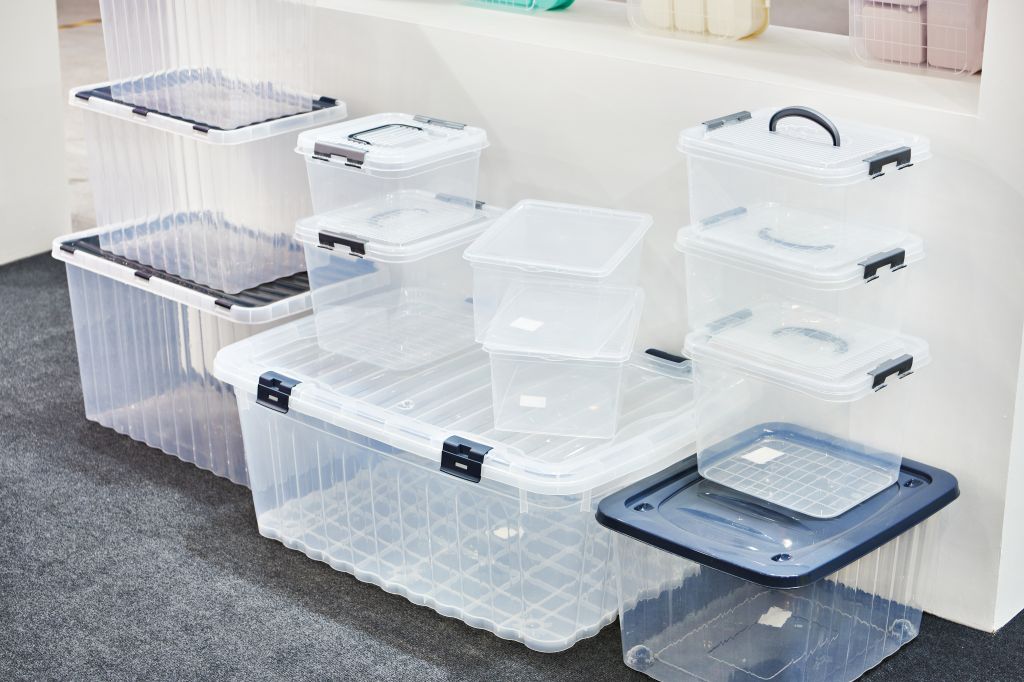
Plastic containers can help protect items from leaks, splashes, and ground moisture, but they should only hold completely dry belongings as they can trap moisture. Cardboard boxes allow more airflow but can absorb water quickly and may weaken when exposed to excess moisture.
Vacuum-sealed bags can work for some textiles, but they are not ideal for every material or for indefinite long-term storage. Plastic wrap and plastic tarps can also trap condensation if used tightly around moisture-sensitive items. Match the container to the specific storage needs of the item rather than using one method for everything.
For added protection, use acid-free boxes or airtight containers with tight lids. Seal inventory in airtight containers to block humidity. These options can help limit water intrusion, discourage pests, and reduce the conditions that contribute to mold growth.
Long-Term Storage Requires Regular Checks
Long-term storage should never mean packing items away and forgetting about them. Visit the storage unit periodically to inspect containers, check humidity levels, replace desiccants, and look for condensation, water droplets, mildew growth, corrosion, odors, or water stains.
During term storage that extends across seasons, pay particular attention during humid summer periods and the winter months, when temperature fluctuations can change indoor moisture conditions. Regular checks provide better long-term protection than relying on a single moisture-control method.
Watch for Early Signs of Mold or Dampness
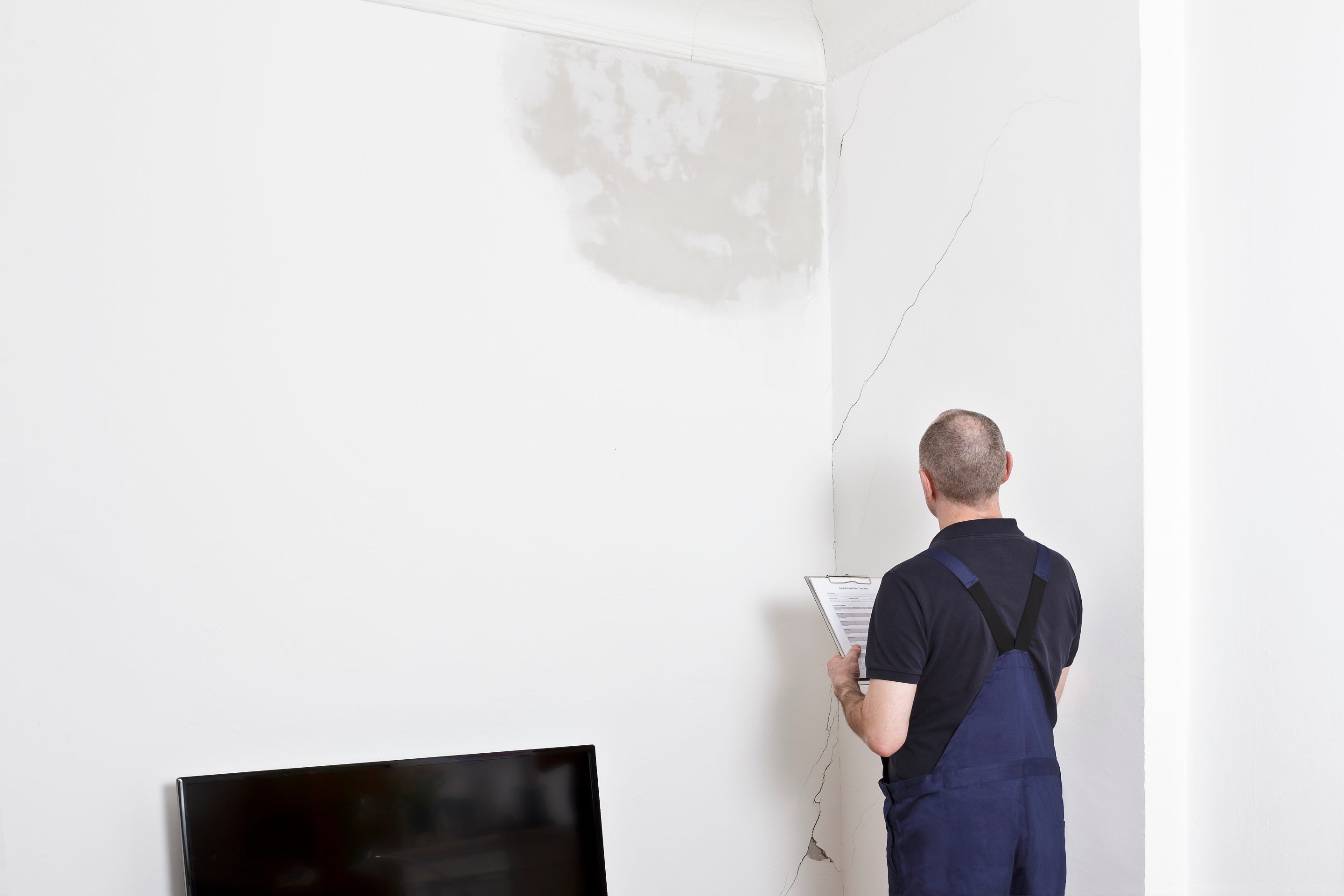
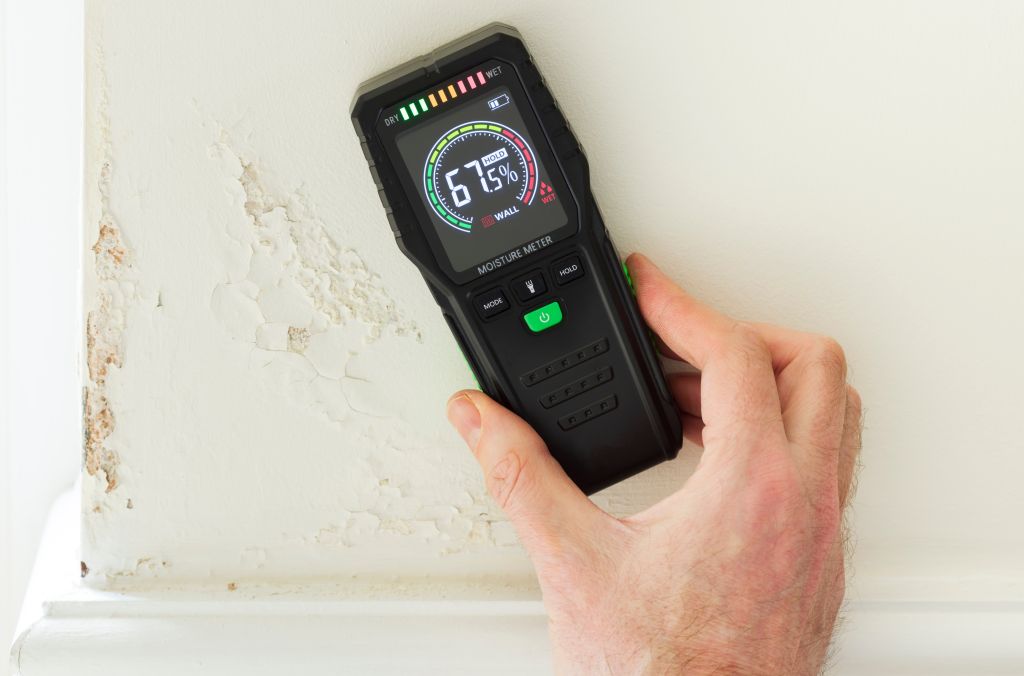
Routine inspections can help you identify moisture problems early and protect stored belongings before minor warning signs lead to extensive damage. Also check the bottom of plastic containers, the corners of cardboard boxes, furniture legs, and areas beneath plastic tarps. Water stains, soft cardboard, rust, condensation, or visible droplets can indicate that excess moisture is already affecting the space.
Check for musty odors, condensation on walls or containers, softened or warped cardboard, discoloration, rust, peeling labels, and small spots on fabrics or surfaces. Pay close attention to corners, floors, exterior walls, and tightly packed areas where air may not circulate well.
If you notice a problem, separate affected items, allow damp materials to dry in an appropriate location, replace saturated packaging, and address the source of the moisture before returning anything to storage. If important documents, photographs, textiles, or other delicate items are affected, separate them from the rest of the stored items so moisture does not spread to nearby materials. Keeping a regular inspection schedule can make changes easier to spot and reduce the risk of mold spreading to nearby items.
When Climate-Controlled Storage Is Worth It
Climate-controlled storage can provide an added layer of protection when affordable moisture-control methods are not enough. This option may be especially worthwhile for high-value or fragile collections, including paper-based, textile, wood, and metal items that can be sensitive to changes in humidity and temperature.
Climate-controlled storage may be the better option when collectors need long-term protection for wood furniture, important documents, electronics, photographs, textiles, or other moisture-sensitive items. It can also be useful when outdoor storage units or traditional self-storage units cannot maintain stable humidity levels. Climate-controlled storage units typically costs $50 to $100 more per month than a traditional unit. In return, these units generally maintain relative humidity levels between 30% and 50% year-round and temperatures between 55°F and 85°F. These controlled conditions can prevent approximately 90% of humidity-related damage.
Large storage
For larger storage areas, specialized equipment may provide additional moisture control. Quest CDG174 units can serve areas larger than 3,000 square feet, while Santa Fe dehumidifiers can remove 98 pints of moisture per day. ENERGY STAR units may also reduce operating costs by 30% compared with older models. For especially challenging conditions, the additional cost may be worthwhile simply because it creates a more predictable and ideal environment for valuable belongings.
Moisture-resistant building materials can further strengthen a storage space’s defenses. For example, fiberglass-reinforced plastic panels have a water absorption rate of 0.17%, helping limit the amount of moisture that enters or remains within the area.
This article is intended for informational purposes only. Collectibles Insurance Services, LLC, its parents, affiliates, and anyone connected with them are not responsible or liable in any way for your use of the information contained in or linked to from this article. Reliance on the information provided in this article is solely at your own risk. If you have questions about any of the topics addressed in the article, please contact a subject-matter expert.
FAQ
What is the most affordable way to reduce humidity in a storage area?
Low-cost moisture absorbers such as silica gel, calcium chloride, charcoal, baking soda, or unscented cat litter can help in smaller spaces. Good airflow, keeping stored items off the floor, and using a digital hygrometer to monitor humidity levels can also make a significant difference.
For a self-storage unit, combine absorbers with regular inspections rather than relying on one product for long-term protection.
How can collectors tell if moisture is becoming a problem in storage?
Warning signs include musty odors, condensation, water droplets, softened cardboard boxes, rust, warped materials, water stains, peeling labels, mildew growth, and visible mold. Check corners, floors, walls, plastic containers, furniture, and tightly packed areas where air circulation may be poor.
If excess moisture appears, separate affected items and address the source before returning them to storage.
When is climate-controlled storage worth the extra cost for collectibles?
Climate-controlled storage is most useful for long-term storage of moisture-sensitive items such as important documents, photographs, electronics, textiles, wood furniture, art, and certain collectibles. It may also be worthwhile in areas with heavy rain, high ambient humidity, large seasonal swings, or challenging winter conditions.
The goal is to create a more stable, ideal environment that helps keep items protected and reduces the risk of irreversible moisture damage.
Sources
https://quietcornerselfstorage.com/self-storage-tips-and-tricks
https://www.jdministorage.com/blog/2025/09/use-self-storage-avoid-potential-moisture-damage
https://stomostorage.com/how-to-keep-moisture-out-of-storage-containers
https://www.stabilitamerica.com/blog/how-to-prevent-mold-in-storage-unit
https://www.storagesolutionsontario.com/blog/6-tips-for-limiting-humidity-in-your-self-storage-unit
https://www.smartfog.com/insights/storage-humidity-complete-guide-to-protecting-your-belongings/
https://www.xyzstorage.com/prevent-mold-in-storage-unit/
https://blueskystorage.ca/storage-tips/how-to-avoid-moisture-issues-in-your-storage-unit/
https://www.thespruce.com/diy-dehumidifier-5104638
https://storagevictoria.ca/storage-tips/humidity-storage-unit/
https://www.bhg.com.au/homes/diy/diy-dehumidifier/